A Golden Guide to Hallucinogenic Plants
Helicrysum odoratissimum‚ despite lacking restrictions‚ presents potential dangers; its golden flowers belie unknown psychopharmacological risks‚ demanding caution and further research.
Hallucinogenic plants have captivated humanity for millennia‚ offering glimpses into altered states of consciousness and profound spiritual experiences. From ancient rituals to modern exploration‚ their allure stems from the promise of unlocking hidden dimensions of the mind. However‚ this exploration is fraught with risks. Despite often facing no legal restrictions‚ many of these plants‚ like Helicrysum odoratissimum‚ possess poorly understood psychopharmacological effects and potential for adverse reactions.
The increasing availability of these substances through online vendors and “head shops” amplifies these concerns‚ as very little is known about their long-term impacts. Accurate identification is crucial‚ as misidentified plants can pose severe health hazards‚ including liver toxicity. Navigating this landscape requires a balanced understanding of both the potential benefits and inherent dangers.
Historical Use and Cultural Significance
Hallucinogenic plants boast a rich history interwoven with spiritual practices and traditional medicine across diverse cultures. Plants like Salvia divinorum‚ originating in Oaxaca‚ Mexico‚ held sacred status‚ utilized in divination and healing rituals for centuries. Similarly‚ Peyote remains central to the religious ceremonies of the Native American Church. These practices highlight a cultural dichotomy‚ showcasing integration of these plants into established belief systems.
However‚ modern legal frameworks often clash with these traditions‚ creating challenges in preserving indigenous knowledge and practices. The story of these plants underscores the complex interplay between cultural heritage and contemporary regulations‚ demanding respectful consideration.
Understanding Hallucinogenic Mechanisms
Hallucinogenic plants exert their effects by interacting with the brain’s neurotransmitter systems‚ primarily serotonin. Psilocybin‚ found in magic mushrooms‚ mimics serotonin‚ binding to receptors and altering neural pathways responsible for perception‚ cognition‚ and mood. Salvia divinorum’s active compound‚ salvinorin A‚ operates differently‚ acting as a kappa opioid receptor agonist.
These interactions disrupt normal brain function‚ leading to altered states of consciousness‚ visual distortions‚ and profound psychological experiences. However‚ the precise mechanisms and long-term effects remain incompletely understood‚ necessitating further research.
Salvia Divinorum: The Sage of Divination
Salvia divinorum‚ a plant native to Oaxaca‚ Mexico‚ is renowned for its potent hallucinogenic properties stemming from salvinorin A; Traditionally used by Mazatec shamans for divination and healing rituals‚ it induces short-lived‚ intense altered states. Despite its legal gray area‚ importation and use in the U.S. are prohibited.
Commercial products pose risks due to potential misidentification with liver-toxic relatives. Users commonly experience distortions of time‚ space‚ and mild euphoria‚ but adverse reactions are possible.
Legal Status and Restrictions of Salvia Divinorum
Salvia divinorum occupies a complex legal landscape. While legal in its regions of origin‚ its status varies significantly elsewhere. Importation and use are prohibited in the U.S.‚ despite not being federally scheduled. However‚ state-level bans are emerging‚ creating a patchwork of regulations.
This highlights the challenges of integrating traditional practices into modern legal frameworks. The plant’s story exemplifies the cultural dichotomy surrounding its use and control‚ prompting ongoing debate and legislative action.
Traditional Uses in Oaxaca‚ Mexico
Salvia divinorum holds deep cultural significance for the Mazatec people of Oaxaca‚ Mexico‚ where it’s been used for centuries in spiritual practices. Traditionally‚ the dried leaves are prepared as a potent infusion for divination and healing rituals.
Shamans utilize the plant to gain insight‚ communicate with ancestors‚ and diagnose illnesses. These practices are deeply embedded in their worldview‚ representing a connection to the spiritual realm and a means of maintaining community well-being.
Psychological Effects and Potential Risks
Salvia divinorum induces short-lived‚ intense hallucinogenic experiences‚ often described as altering perception of reality‚ causing visual distortions‚ and affecting time and space. Users frequently report feelings of euphoria‚ but also anxiety and disorientation.
Potential risks include psychological distress‚ panic attacks‚ and temporary cognitive impairment. Misidentification with similar‚ liver-toxic plants poses a serious threat. Due to limited research‚ long-term effects remain largely unknown‚ necessitating extreme caution.
Helicrysum odoratissimum: The Golden Immortality Herb
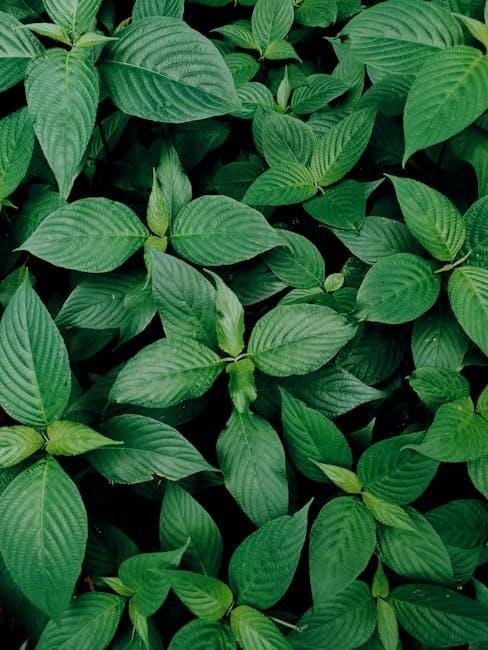
Helicrysum odoratissimum‚ named for its sun-gold flowers (heliscryson & chryos)‚ is gaining attention despite a lack of comprehensive study. Recently‚ it’s become more accessible through online vendors and head shops‚ raising concerns.
Very little is known about its psychopharmacological effects or long-term risks‚ prompting governmental responses to ban it as soon as more information emerges. Caution is advised due to limited scientific understanding.
Botanical Description and Habitat
Helicrysum odoratissimum is characterized by its striking golden flowers‚ giving rise to its common name‚ the golden immortality herb. This plant thrives in specific regions‚ though detailed habitat information remains limited due to its relatively recent surge in popularity and study.
It’s crucial to note that closely related species can contain liver-toxic compounds‚ highlighting the importance of accurate identification before consumption or use. Further botanical research is needed to fully map its distribution.
Chemical Composition and Active Compounds
Helicrysum odoratissimum’s chemical composition is still under investigation‚ with “very little” currently known about its specific psychopharmacological effects. Despite this knowledge gap‚ the plant is increasingly available through online vendors and head shops‚ raising concerns about unregulated products.
The active compounds responsible for its reported effects remain largely unidentified‚ necessitating comprehensive chemical analysis to understand its potential risks and benefits fully. Caution is advised due to the lack of scientific data.
Reported Effects and Traditional Applications
Helicrysum odoratissimum is reported to induce primarily psychological effects‚ with users commonly experiencing mild euphoria and alterations in perception. These alterations manifest as distortions of time and space‚ alongside changes in vision and judgment. Traditional applications remain largely undocumented in readily available sources.
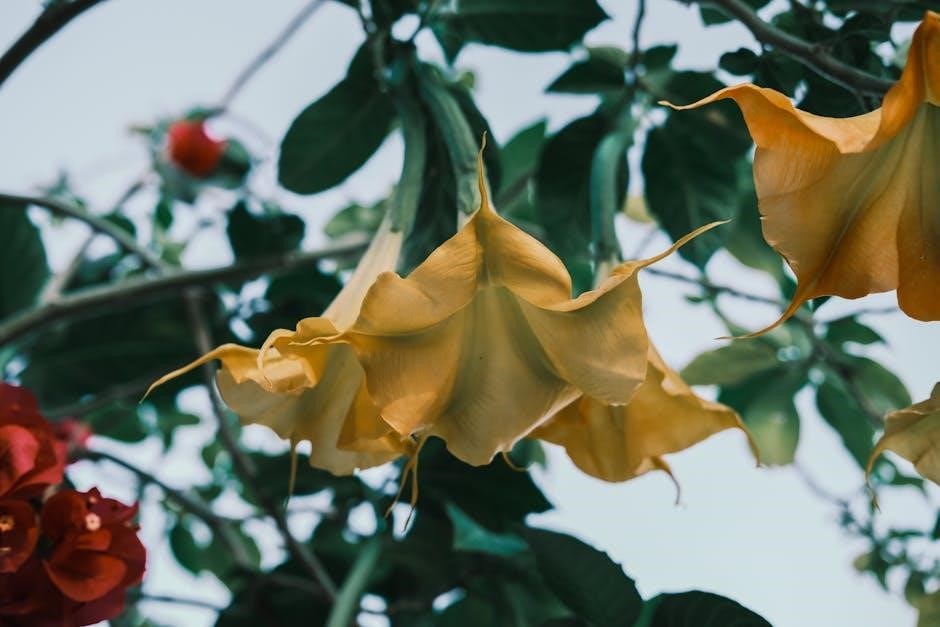
The plant’s increasing availability‚ despite limited research‚ highlights the need for caution. Further investigation into both its effects and historical uses is crucial for responsible understanding.
Sassafras: A Rooted History of Altered States
Sassafras possesses a complex legal status; while the tree itself is legal to grow‚ purchase‚ and possess‚ its key component‚ safrole‚ is a controlled substance. Oil extracted from sassafras bark historically held connections to the synthesis of MDMA (ecstasy)‚ adding to its regulatory scrutiny.
This dichotomy underscores the challenges in controlling precursor chemicals while allowing access to the plant itself‚ creating a unique legal landscape for sassafras.
Safrole and its Legal Implications
Safrole‚ a primary constituent of sassafras oil‚ is a controlled substance due to its historical use as a precursor in the illicit manufacture of MDMA (ecstasy). This legal classification significantly impacts sassafras‚ despite the tree’s legality for growth and possession.
The restriction on safrole creates a complex situation‚ where the plant itself isn’t prohibited‚ but extracting or possessing safrole carries legal consequences‚ highlighting the challenges of regulating specific compounds within natural sources.
Traditional Medicinal Uses of Sassafras
Historically‚ sassafras held a prominent place in traditional medicine. Native American communities utilized the roots for a wide array of ailments‚ brewing teas to treat skin issues‚ rheumatism‚ and various infections. European settlers adopted these practices‚ incorporating sassafras into their own herbal remedies.
However‚ due to safrole’s identification as a potential carcinogen and its link to illicit drug production‚ many traditional uses have diminished‚ prompting a reevaluation of its safety and benefits.
Extraction and Consumption Methods
Historically‚ sassafras root bark was commonly boiled to create a tea‚ though this method concentrates safrole. Oil extraction yields a potent substance‚ historically used—and now largely restricted—for flavoring and medicinal purposes. Despite the tree’s legal status‚ safrole itself remains a controlled substance.
Consumption carries significant risks due to safrole’s potential health hazards‚ making traditional methods increasingly discouraged and legally problematic.
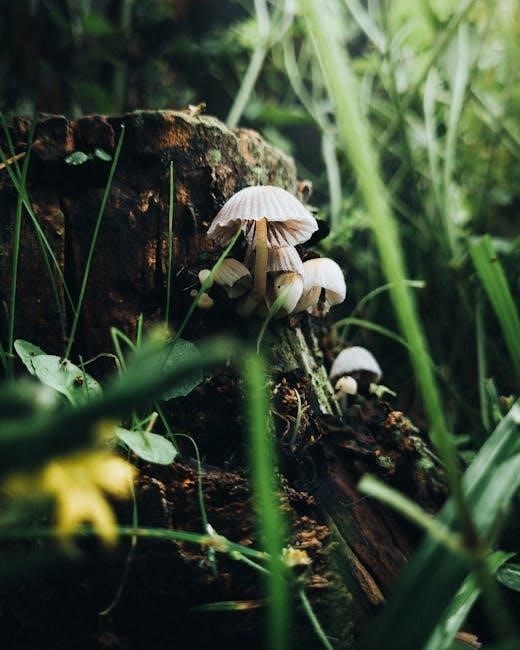
Psilocybin Mushrooms: The Magic of Fungi
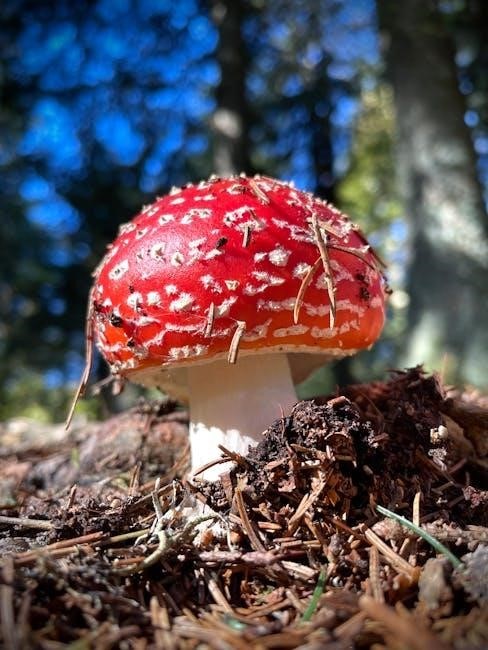
Psilocybin‚ the psychedelic compound within certain mushroom species‚ demonstrates promising therapeutic potential‚ particularly for long-term treatment of depression and anxiety‚ as evidenced by recent clinical trials. However‚ the chemical’s legal status remains complex.
Despite these advancements‚ widespread access is hindered by existing prohibitions‚ fueling ongoing decriminalization efforts and calls for expanded research into its medicinal applications.
The Science Behind Psilocybin’s Effects
Psilocybin exerts its effects primarily by activating serotonin receptors in the brain‚ particularly the 5-HT2A receptor. This activation disrupts default mode network activity‚ leading to altered perception‚ thought patterns‚ and emotional processing.
Research suggests psilocybin promotes neuroplasticity‚ potentially enabling the brain to form new connections and break free from rigid thought patterns‚ offering therapeutic benefits for mental health conditions.
Therapeutic Potential for Mental Health
Psilocybin demonstrates promising therapeutic potential for conditions like depression and anxiety‚ offering long-term relief in clinical trials. Its ability to foster neuroplasticity may allow for rewiring of negative thought patterns‚ providing lasting improvements.
Studies indicate efficacy in treating end-of-life distress‚ addiction‚ and obsessive-compulsive disorder‚ suggesting a broad spectrum of applications. However‚ controlled clinical settings and professional guidance are crucial for safe and effective treatment.
Legal Landscape and Decriminalization Efforts
Psilocybin faces a complex legal landscape‚ remaining federally prohibited despite growing decriminalization efforts at the state and local levels. Cities and states are re-evaluating policies‚ shifting towards reduced penalties for possession and use.
These changes reflect increasing recognition of therapeutic potential and a move away from punitive approaches. However‚ significant legal barriers persist‚ hindering research and access. Ongoing advocacy aims to facilitate broader legalization and responsible regulation.
Other Notable Hallucinogenic Plants
Iboga‚ utilized in Bwiti rituals‚ offers profound spiritual transformation‚ though its use carries inherent risks. Ayahuasca‚ the “vine of the soul‚” facilitates deep introspection within a ceremonial context‚ requiring experienced guidance.
Peyote holds sacred status for the Native American Church‚ legally protected for religious practices. These plants demonstrate the diverse cultural and spiritual roles of hallucinogens‚ highlighting the need for respectful understanding and responsible engagement.
Iboga: Ritual and Transformation
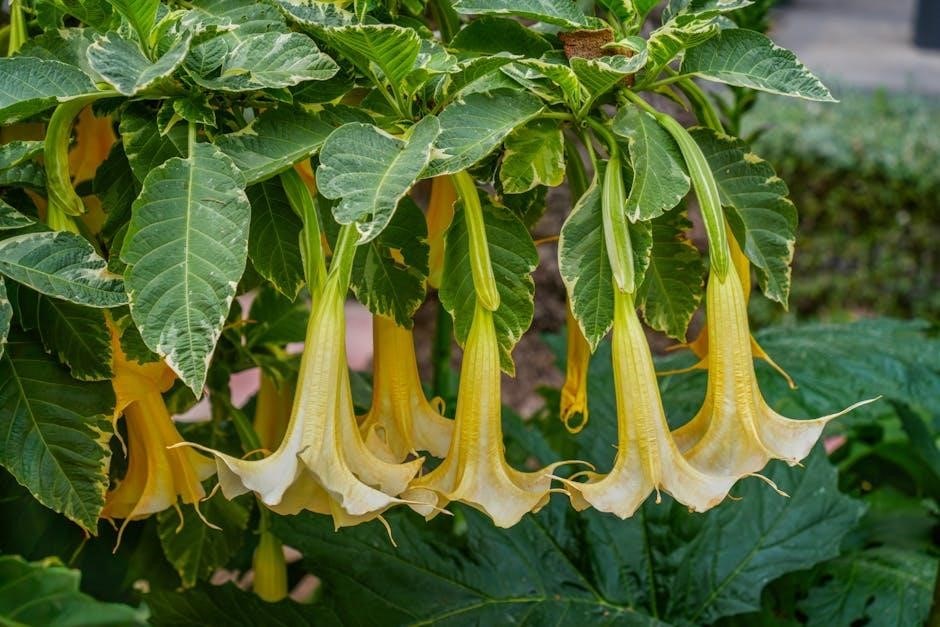
Iboga‚ derived from the Tabernanthe iboga root‚ is central to the Bwiti tradition of Gabon‚ West Africa‚ facilitating profound spiritual journeys and personal transformation. Ritualistic ingestion induces intense visions and altered states of consciousness‚ believed to connect individuals with ancestral spirits.
Historically‚ it served as an initiation rite and healing tool. However‚ due to potential cardiac risks and psychological intensity‚ Iboga use demands careful preparation and experienced guidance within a ceremonial setting.
Ayahuasca: The Vine of the Soul
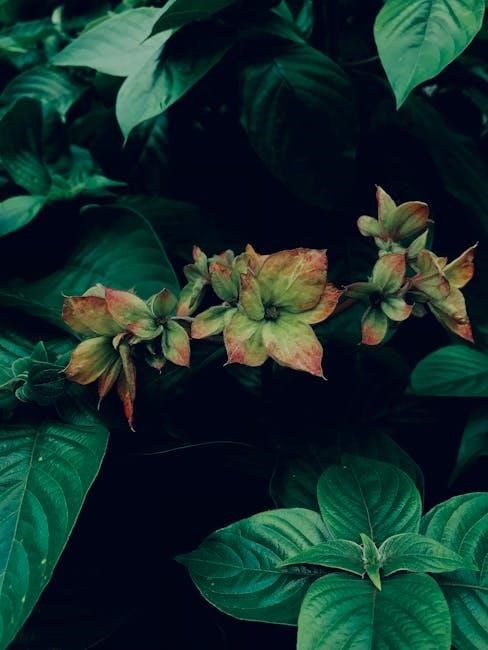
Ayahuasca‚ translating to “vine of the soul‚” is a traditional South American brew combining the Banisteriopsis caapi vine and Psychotria viridis leaves. This potent concoction induces deeply introspective and often challenging psychedelic experiences‚ utilized for centuries by indigenous cultures for healing‚ divination‚ and spiritual exploration.
Ayahuasca ceremonies‚ guided by experienced shamans‚ aim to facilitate emotional release‚ confront personal traumas‚ and gain profound insights into one’s self and the universe. Careful preparation and respect for the tradition are crucial.
Peyote: Sacred Cactus of the Native American Church
Peyote (Lophophora williamsii)‚ a small‚ spineless cactus‚ holds immense spiritual significance for numerous Native American tribes. For millennia‚ it has been central to the religious practices of the Native American Church‚ used in ceremonies to foster connection with the divine and promote healing.
The cactus contains mescaline‚ a psychedelic alkaloid‚ inducing altered states of consciousness. Legal protections exist for the sacramental use of peyote by enrolled members of the Native American Church‚ recognizing its vital cultural importance.
Risks and Safety Considerations
Hallucinogenic plants carry inherent risks‚ demanding careful consideration. Adverse reactions‚ including anxiety‚ paranoia‚ and nausea‚ are possible. Accurate plant identification is crucial‚ as misidentification can lead to exposure to toxic compounds‚ like liver-damaging substances found in Salvia relatives.
Furthermore‚ interactions with existing medications are a serious concern. Individuals with pre-existing mental health conditions should avoid these substances. Responsible use necessitates informed consent and a safe‚ supportive environment.
Potential for Adverse Reactions
Hallucinogenic plant use can trigger a range of adverse reactions. Psychological effects may include intense anxiety‚ panic attacks‚ and disturbing hallucinations. Physical symptoms like nausea‚ vomiting‚ and increased heart rate are also possible. Distortions of time and space‚ coupled with impaired judgment‚ heighten risk.
Pre-existing mental health conditions significantly increase vulnerability. Individuals should be aware of these potential downsides before considering use‚ prioritizing safety and informed decision-making.
Importance of Accurate Identification
Accurate plant identification is paramount when considering hallucinogenic species. Misidentification can lead to consumption of toxic look-alikes‚ posing severe health risks‚ including liver damage. Species closely related to Salvia divinorum‚ for example‚ contain liver-toxic compounds.
Relying on online vendors or “head shops” increases the risk of contaminated or mislabeled products. Thorough botanical knowledge or expert guidance is crucial to avoid potentially deadly errors.
Interactions with Medications
Hallucinogenic plants can interact dangerously with various medications‚ potentially amplifying or diminishing their effects. This is particularly concerning for individuals with pre-existing mental health conditions or those taking antidepressants‚ anxiolytics‚ or other psychotropic drugs.
The psychedelic compounds within these plants can disrupt neurotransmitter systems‚ leading to unpredictable and adverse reactions when combined with pharmaceutical interventions. Consulting a healthcare professional is vital before use.
The Legal Gray Areas and Emerging Regulations
Navigating the legality of hallucinogenic plants is complex‚ marked by inconsistent regulations and evolving legal landscapes. While some plants like Sassafras are legal to grow‚ key compounds within them‚ such as safrole‚ are controlled substances‚ creating a paradox.
State-level bans are emerging‚ particularly for Salvia divinorum‚ despite its legality in its native Oaxaca‚ Mexico‚ highlighting challenges in integrating traditional practices into modern legal frameworks.
Challenges in Defining and Controlling Hallucinogenic Plants
Defining “hallucinogenic” proves difficult‚ hindering effective regulation. The rapid emergence of novel psychoactive substances‚ often sold online or in head shops‚ outpaces legal responses‚ leading to a constant catch-up game for authorities.
Furthermore‚ misidentification risks – like confusing Salvia divinorum with liver-toxic relatives – complicate control efforts. Governmental responses often involve outright bans‚ but this approach struggles with the sheer volume of emerging compounds.
State-Level Bans and Federal Oversight
Legal landscapes surrounding hallucinogenic plants are fragmented‚ with prohibitions emerging at the state level‚ as seen with Salvia divinorum in certain regions. This creates a patchwork of regulations‚ complicating interstate commerce and enforcement.
Despite legality in origin countries‚ importation and use in the U.S. are often prohibited. Federal oversight struggles to keep pace with novel compounds‚ relying on mechanisms like scheduling controlled substances‚ which can be a lengthy process.
The Future of Legalization and Research
Emerging research into compounds like psilocybin‚ demonstrating therapeutic potential for depression and anxiety‚ fuels discussions about legalization and decriminalization. This shift necessitates robust scientific investigation to understand both benefits and risks.
Challenges remain in defining and controlling these plants‚ balancing traditional practices with modern legal frameworks. Further research is crucial to inform policy‚ ensuring responsible access while mitigating potential harm and addressing the legal gray areas.