Rheem Gas Water Heater Troubleshooting Manual: A Comprehensive Guide
Navigating issues with your Rheem gas water heater can be daunting, but this manual provides a structured approach to diagnosis and resolution.
Utilize the Rheem Fix It Tool for warranty checks and locating qualified professionals.
This guide covers common problems, safety precautions, and resources for optimal performance and longevity of your Rheem unit.
Rheem offers extensive support, including rebates, tax credits, and detailed warranty information, ensuring a seamless ownership experience.
Remember to register your product for enhanced service and access to exclusive benefits.
Understanding Your Rheem Gas Water Heater
Rheem gas water heaters are engineered for reliable performance, but understanding their core components is crucial for effective troubleshooting. These systems utilize a gas burner to heat water stored within a tank, delivering hot water on demand. Key elements include the gas control valve, which regulates gas flow, the thermostat, controlling water temperature, and the thermocouple, a safety device ensuring the gas supply shuts off if the pilot light extinguishes.
Different Rheem models exist, ranging from standard tank-style heaters to more advanced hybrid options. Hybrid models may incorporate electronic controls and heating elements alongside the gas burner. Familiarizing yourself with your specific model’s features, as detailed in the owner’s manual, is paramount. Knowing the location of essential components like the pilot light assembly, TPR valve, and gas supply line will streamline any diagnostic process.
Proper ventilation is vital for safe operation. Ensure the water heater is installed in a well-ventilated area to prevent carbon monoxide buildup. Regular maintenance, including flushing the tank to remove sediment, extends the lifespan and efficiency of your Rheem gas water heater.
Safety Precautions Before Troubleshooting
Working with gas appliances presents inherent risks; prioritizing safety is paramount before attempting any troubleshooting. Always begin by turning off the gas supply to the water heater at the gas shut-off valve. This prevents accidental gas leaks during inspection or repair. Ensure the area is well-ventilated to dissipate any potential gas odors. Never attempt repairs if you smell gas – evacuate immediately and contact your gas company or a qualified technician.

Electrical safety is equally important. If your Rheem model has electrical components, disconnect the power supply at the circuit breaker before proceeding. Avoid contact with water and electrical parts simultaneously. Wear appropriate personal protective equipment, including safety glasses and gloves. Be mindful of hot surfaces, as the tank and flue pipes can reach high temperatures during and after operation.
If you are uncomfortable or lack experience with gas or electrical systems, do not attempt repairs yourself. Contact a qualified plumber or HVAC technician. Improper repairs can lead to dangerous situations, including gas leaks, fire, or carbon monoxide poisoning.
Common Rheem Gas Water Heater Problems
Rheem gas water heaters, while reliable, can experience several common issues. One frequent problem is a lack of hot water, often stemming from pilot light failures, thermocouple malfunctions, or gas supply interruptions. Insufficient hot water can be caused by thermostat settings being too low or a failing dip tube, which mixes cold and hot water. Leaks are another common concern, originating from the tank itself, connection points, or the Temperature and Pressure Relief (TPR) valve.
Other issues include unusual noises, such as rumbling or popping, which may indicate sediment buildup in the tank. A yellow or flickering pilot light suggests incomplete combustion and requires immediate attention; Reduced hot water pressure can signal sediment accumulation or issues with the inlet valve. Regularly inspecting your Rheem unit and addressing these problems promptly can extend its lifespan and ensure efficient operation.
Utilizing the Rheem Fix It Tool can help diagnose some of these issues and connect you with a qualified professional if needed.

Troubleshooting: No Hot Water
If your Rheem gas water heater isn’t producing hot water, systematically check the pilot light, thermocouple, and gas supply.
These are the primary culprits, demanding immediate investigation for restoration of hot water.
Pilot Light Issues
A malfunctioning pilot light is a frequent cause of no hot water in Rheem gas water heaters. The pilot light provides the initial flame to ignite the main burner. If it won’t light, or consistently goes out, several factors could be at play. First, ensure the gas supply valve is fully open. A partially closed valve restricts gas flow, preventing ignition.
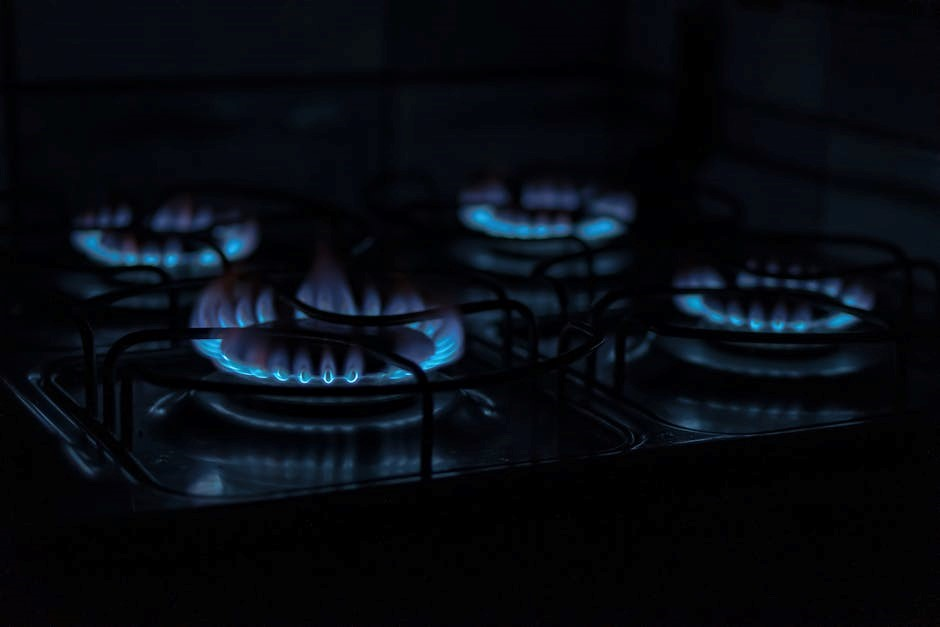
Check for debris obstructing the pilot light opening. Dust, dirt, or spiderwebs can smother the flame. Carefully clean the area with a soft brush or compressed air. If the pilot light lights but won’t stay lit, the issue likely lies with the thermocouple (discussed in the next section). A flickering or yellow pilot light indicates incomplete combustion, potentially due to insufficient air or a gas mixture problem. This requires professional attention.
Always follow safety precautions when working with gas appliances. If you are uncomfortable performing these checks, contact a qualified Rheem Pro for assistance. Refer to the Rheem Fix It Tool to locate a certified technician in your area.
Pilot Light Won’t Stay Lit
If your Rheem gas water heater’s pilot light ignites but repeatedly extinguishes, the most common culprit is a faulty thermocouple. The thermocouple is a safety device that senses the pilot flame and allows gas to flow to the main burner. When it fails, it shuts off the gas supply, extinguishing the pilot.
To test, carefully follow the relighting instructions on your water heater. If the pilot won’t stay lit even after holding the reset button, the thermocouple likely needs replacement. This is a relatively inexpensive part, but replacement requires careful handling and understanding of gas appliance safety. Do not attempt this repair if you are not comfortable working with gas lines.
A dirty or corroded thermocouple connection can also cause this issue. Inspect the connection for any signs of buildup and gently clean it. If cleaning doesn’t resolve the problem, replacement is necessary. Utilize the Rheem Fix It Tool to find a qualified Rheem Pro for safe and effective repair.
Pilot Light is Yellow or Flickering
A yellow or flickering pilot light on your Rheem gas water heater indicates incomplete combustion, often due to insufficient air supply. This is a serious safety concern, as it can lead to the production of carbon monoxide, a colorless and odorless gas;
Immediately ensure adequate ventilation in the area surrounding the water heater. Check the air intake vents for obstructions like dust, lint, or debris. A blocked vent restricts airflow, causing the flame to burn inefficiently. Do not operate the water heater if the flame remains yellow or flickering after addressing ventilation.
Another potential cause is a dirty burner. Accumulated dust and debris can interfere with proper gas flow and combustion. Cleaning the burner assembly may resolve the issue, but always disconnect the gas supply before attempting any cleaning. If the problem persists, contact a qualified Rheem Pro using the Rheem Fix It Tool for professional diagnosis and repair. Carbon monoxide detectors are crucial for safety.
Thermocouple Problems
The thermocouple is a vital safety component in your Rheem gas water heater, responsible for sensing the pilot light flame and allowing the main gas valve to open. If the thermocouple fails, it won’t detect the flame, and the gas supply will be shut off, preventing the burner from staying lit.
A common symptom of a faulty thermocouple is a pilot light that lights but immediately extinguishes when you release the gas control knob. Testing the thermocouple requires a multimeter and some technical knowledge; it’s generally best left to a qualified technician. Attempting repairs without proper training can be dangerous.
Replacement of the thermocouple is usually necessary if it’s defective. Ensure the new thermocouple is compatible with your specific Rheem model. Utilize the Rheem Fix It Tool to locate a certified Rheem Pro for safe and efficient thermocouple replacement. Ignoring thermocouple issues can lead to repeated pilot light failures and potential gas leaks.
Gas Supply Issues
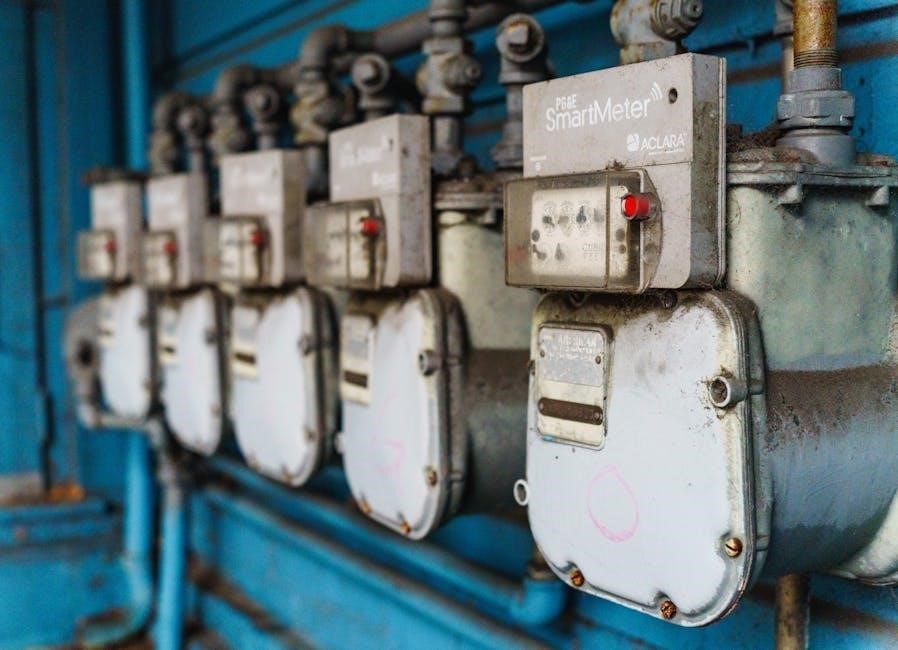
Insufficient gas supply is a frequent cause of problems with Rheem gas water heaters, preventing proper heating or even preventing the unit from igniting. Before assuming a heater malfunction, verify the gas supply to your home is active and adequate. Check if other gas appliances, like stoves or furnaces, are functioning correctly.
A closed gas shut-off valve is a simple, yet often overlooked, issue. Ensure the valve leading to the water heater is fully open. If you smell gas, immediately evacuate the area and contact your gas company – do not attempt any troubleshooting yourself.
Low gas pressure, especially during peak usage times, can also be a culprit. Contact your gas provider to investigate potential pressure issues. If the problem persists after verifying the gas supply, consult a qualified Rheem Pro using the Rheem Fix It Tool. They can accurately diagnose and resolve more complex gas supply related concerns.
Troubleshooting: Not Enough Hot Water
Limited hot water often stems from thermostat settings, a failing dip tube, or issues with heating elements in hybrid models.
Proper diagnosis is key to restoring sufficient hot water supply for your household needs.
Thermostat Settings
Incorrect thermostat settings are a frequent cause of insufficient hot water. Rheem gas water heaters typically have two thermostats – an upper and a lower – controlling the heating process. These thermostats regulate the water temperature within the tank. Begin by verifying that both thermostats are set to the desired temperature, generally around 120°F (49°C) for household use.
Caution: Higher temperatures can increase the risk of scalding. If the temperature is set too low, you’ll experience lukewarm water. Conversely, if set too high, you might deplete the hot water supply quickly. Ensure both thermostats are set to the same temperature for balanced heating.
To adjust the thermostats: Locate the access panels on the water heater (usually at the bottom). Carefully remove the panels and insulation. You’ll find the thermostats behind the insulation. Use a screwdriver to adjust the temperature settings; After adjustment, replace the insulation and access panels. Allow several hours for the water to heat up and re-check the temperature at a faucet.
If adjustments don’t resolve the issue, a faulty thermostat might be the culprit, requiring replacement by a qualified technician.
Dip Tube Failure
A failing dip tube is a common issue leading to insufficient hot water, particularly during periods of high demand. The dip tube is a plastic tube inside the water heater tank that directs cold water to the bottom for heating. When it cracks or disintegrates, cold water mixes with the already heated water at the top of the tank, reducing the overall hot water volume.
Symptoms of a failed dip tube include: a rapid decrease in hot water availability, lukewarm water even after a full heating cycle, and potentially sediment buildup at the tank’s outlet. Unfortunately, diagnosing a dip tube failure definitively often requires professional inspection, as it’s internal to the tank.
Replacing a dip tube is a relatively inexpensive repair, but it necessitates draining the water heater tank completely. Due to the complexity and potential for tank damage, it’s strongly recommended to hire a qualified plumber for this task. Attempting a DIY repair without proper knowledge could void your warranty or cause further damage.
Preventative maintenance, such as flushing the tank annually, can help prolong the dip tube’s lifespan by minimizing sediment accumulation.
Heating Element Issues (If Applicable ⎯ Hybrid Models)
Rheem hybrid electric water heaters utilize both gas and electric heating elements for enhanced efficiency and performance. If you own a hybrid model and experience issues with hot water, a faulty heating element could be the culprit. These elements can burn out over time due to mineral buildup or electrical surges.
Symptoms of a failing heating element include: significantly longer recovery times, lukewarm water, or a complete lack of hot water despite the gas burner operating correctly. You may also notice a tripped circuit breaker associated with the water heater.
Testing heating elements requires a multimeter and a basic understanding of electrical safety. Always disconnect power to the water heater before attempting any electrical testing. If you are uncomfortable working with electricity, contact a qualified electrician or plumber.
Replacing a heating element is a manageable DIY task for experienced homeowners, but requires careful adherence to safety procedures and proper element selection. Refer to your owner’s manual for specific instructions and part numbers.

Troubleshooting: Leaking Water Heater
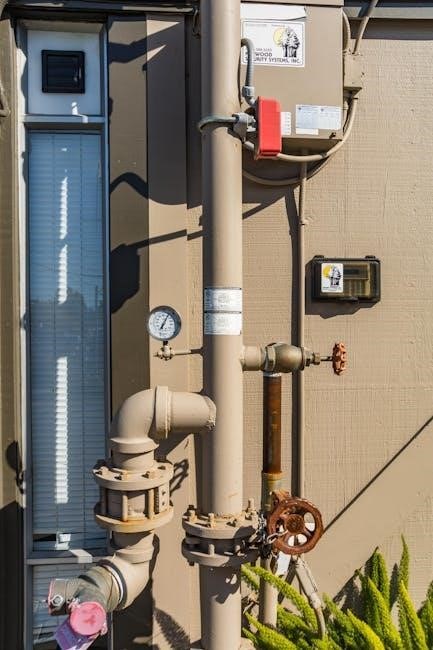
Water leaks demand immediate attention to prevent damage and ensure safety. Investigate tank, connection, and TPR valve areas.
Promptly address leaks to avoid costly repairs and potential water damage within your home.
Tank Leaks
A leaking tank is a serious issue, often indicating internal corrosion and signaling the end of the water heater’s lifespan. Unlike minor leaks from connections, tank leaks generally require complete water heater replacement. Carefully inspect the tank’s surface, focusing on the bottom and side seams, for any signs of moisture, rust, or dripping water.
Even a small, persistent leak warrants immediate attention. Turn off the gas supply and electricity to the unit to prevent further damage or potential hazards. Do not attempt to repair a leaking tank; it’s a safety risk. Contact a qualified plumbing professional for assessment and replacement options. Rheem’s Fix It Tool can assist in locating a certified Rheem Pro in your area.
Consider the age of your water heater. If it’s nearing or past its expected lifespan (typically 8-12 years), replacement is the most practical solution. Ignoring a tank leak can lead to significant water damage, mold growth, and potential structural issues within your home. Remember to check your Rheem warranty for potential coverage.
Connection Leaks (Inlet/Outlet)
Leaks originating from the inlet or outlet connections of your Rheem gas water heater are often simpler to address than tank leaks. These typically stem from loose fittings, worn-out pipe threads, or deteriorated pipe dope. Begin by carefully inspecting the connections for visible water droplets. Turn off both the cold water supply and the gas supply before attempting any repairs.
Using a wrench, gently tighten the connections. Avoid over-tightening, as this can damage the fittings. If tightening doesn’t resolve the leak, disassemble the connection, clean the threads, and reapply fresh pipe dope or Teflon tape. Ensure the tape is applied in the correct direction (clockwise when facing the fitting).
If the leak persists after reassembly, the fitting or pipe itself may be damaged and require replacement. Rheem recommends consulting a qualified plumber for complex repairs or if you’re uncomfortable performing the work yourself. Utilizing the Rheem Fix It Tool can help you find a trusted local professional.
Temperature and Pressure Relief (TPR) Valve Leaks
A leaking Temperature and Pressure Relief (TPR) valve indicates a potentially serious issue with your Rheem gas water heater and requires immediate attention. This valve is designed to release excess pressure or temperature to prevent a catastrophic tank rupture. A small, occasional drip is normal during heating cycles, but consistent leaking is not.
First, ensure the discharge pipe connected to the TPR valve is properly directed downwards and terminates within six inches of the floor. Never cap or obstruct this pipe. If the valve continues to leak, the problem could be excessive water pressure, a faulty valve, or overheating.
Check your home’s water pressure; it should ideally be below 80 PSI. If pressure is high, a pressure regulator may be needed. If the pressure is normal, the TPR valve likely needs replacement. Do not attempt to repair a TPR valve; it must be replaced by a qualified plumber. Utilize the Rheem Fix It Tool to locate a certified Rheem Pro for safe and effective service.
Utilizing the Rheem Fix It Tool
Rheem’s online Fix It Tool streamlines support, offering product registration, warranty verification, and a convenient directory to find trusted, independent Rheem Pro installers.
Registering Your Rheem Product
Registering your Rheem gas water heater is a crucial step towards maximizing your ownership experience and ensuring access to vital support resources. This simple process unlocks a wealth of benefits, including streamlined warranty claims and personalized assistance when troubleshooting potential issues.
Through the Rheem Fix It Tool, available on the Rheem website (https://www.rheem.com/fixittool/), you can quickly and easily register your product online. You’ll typically need the model number and serial number of your water heater, which can be found on the unit’s nameplate.
Registration allows Rheem to keep you informed about important product updates, safety notices, and exclusive promotions. It also simplifies the warranty verification process, saving you time and effort should you ever need to file a claim. Don’t delay – register your Rheem product today to enjoy peace of mind and comprehensive support throughout the lifespan of your water heater. It’s a small step with significant long-term advantages.
Warranty Verification
Understanding your Rheem gas water heater’s warranty coverage is essential for protecting your investment and ensuring peace of mind. Rheem offers various warranty options depending on the model and installation date, and verifying your specific coverage is a straightforward process facilitated by the Rheem Fix It Tool.
The online tool (https://www.rheem.com/fixittool/) allows you to quickly check your warranty status by entering your product’s model and serial number. This provides instant access to details regarding the duration of your warranty, covered components, and any applicable limitations.
Having this information readily available is particularly helpful when troubleshooting issues, as it clarifies what repairs or replacements are covered under warranty. Rheem’s commitment to quality is backed by robust warranty programs, and verifying your coverage ensures you can take full advantage of these benefits. Keep your proof of purchase handy, as it may be required when submitting a warranty claim.
Finding a Rheem Pro
When troubleshooting complex issues with your Rheem gas water heater, or if repairs are beyond your expertise, enlisting the help of a qualified professional is crucial. Rheem understands this need and provides a convenient tool to locate certified Rheem Pros in your area.
The Rheem Fix It Tool (https://www;rheem.com/fixittool/) features a “Find a Rheem Pro” locator. Simply enter your zip code, and the tool will generate a list of independent, trustworthy contractors specializing in Rheem products. These professionals have demonstrated expertise in installation, maintenance, and repair.
Choosing a Rheem Pro ensures you’re working with someone familiar with Rheem’s technology and warranty procedures. They can accurately diagnose problems, perform necessary repairs efficiently, and help you maximize the lifespan of your water heater. Prioritize licensed and insured contractors for added protection and peace of mind. A skilled Rheem Pro can save you time, money, and potential headaches in the long run.
Rheem Resources & Support
Rheem provides comprehensive support, including detailed warranties, valuable rebates, and federal tax credit information. Explore sustainability initiatives, career opportunities, and helpful support resources online.
Access Rheem’s website for product registration, warranty verification, and to connect with a trusted Rheem Pro for expert assistance.
Warranties Information
Understanding your Rheem gas water heater’s warranty is crucial for protecting your investment. Rheem offers a variety of warranty options, differing based on the specific model and components of your water heater. Typically, tank warranties range from limited lifetime to ten years, while parts warranties cover components like burners, valves, and electronic controls for a specified period, often one to five years.
To verify your warranty details, utilize the Rheem Fix It Tool on their official website (https://www.rheem;com/warranties/). You’ll need your model number and date of installation. Proper registration of your product is vital to ensure seamless warranty claims. Keep your proof of purchase readily available, as it’s required for all warranty requests.

Rheem’s warranty covers defects in materials and workmanship under normal use. It does not cover issues arising from improper installation, misuse, neglect, or modifications. Always adhere to Rheem’s installation guidelines and recommended maintenance procedures to maintain warranty validity. For detailed warranty terms and conditions, consult the official Rheem warranty documentation.
Rebates and Tax Credits
Rheem frequently offers rebates and incentives on qualifying gas water heaters, helping you save money on both the initial purchase and installation costs. These promotions can vary by region and model, so it’s essential to check the Rheem website’s Rebate Center for current offers. Rebates often apply to high-efficiency models, encouraging environmentally friendly choices.
Beyond rebates, federal tax credits may be available for installing energy-efficient water heaters. The details of these credits can change, so consult the Federal Incentives page on Rheem’s site and the official government resources for the most up-to-date information. These tax credits can significantly reduce your overall expenses.
To take advantage of rebates and tax credits, you’ll typically need to provide proof of purchase, installation details, and the water heater’s energy efficiency specifications. Keep all documentation organized and readily accessible. Rheem’s website provides guidance on the application process and required paperwork, ensuring a smooth and successful claim.