First Aid for USMLE Step 2 CS: A Comprehensive Plan

First Aid for USMLE Step 2 CS provides essential preparation, featuring 41 practice cases, pediatric simulations, and effective strategies for standardized patient interactions.
This resource also includes time management advice, physical exam techniques, and connections to Step 2 CK, aiding comprehensive clinical skills development for exam success.
Overview of the First Aid for USMLE Step 2 CS Resource
First Aid for USMLE Step 2 CS is a highly regarded, comprehensive resource meticulously designed to equip medical students with the necessary skills and knowledge to excel on the Clinical Skills (CS) examination. This guide distinguishes itself by offering 41 full-length practice cases, mirroring the real exam’s structure and challenges, including crucial pediatric and telephone interview simulations.
Beyond case simulations, the resource provides suggested closing statements for each scenario, aiding in effective communication and rapport-building with standardized patients. It’s a focused tool, complementing First Aid for the USMLE Step 2 CK, by bridging the gap between theoretical medical knowledge and practical clinical application. The digital versions also offer troubleshooting guidance for network connectivity and proxy settings, ensuring seamless access to study materials.
The Importance of Practice Cases in Preparation
First Aid for USMLE Step 2 CS places paramount importance on practice cases, recognizing they are the cornerstone of successful preparation. The 41 full-length cases aren’t merely simulations; they are opportunities to internalize the exam’s flow, refine clinical reasoning, and build confidence. Repeated exposure to diverse patient presentations – including pediatric scenarios and telephone interviews – allows students to hone their diagnostic and communication skills.
These cases facilitate the development of efficient time management, a critical skill during the exam. By actively engaging with these scenarios, students learn to rapidly gather information, formulate differential diagnoses, and deliver concise, patient-centered care. Mastering these skills through practice significantly increases the likelihood of a positive outcome on the USMLE Step 2 CS.
Understanding the Format of the Step 2 CS Exam
First Aid for USMLE Step 2 CS emphasizes a thorough understanding of the exam’s structure. The Step 2 CS is a one-day, live examination requiring students to navigate 12 standardized patient encounters. Each encounter presents a unique clinical scenario demanding effective communication, accurate history taking, and a focused physical examination.
Success hinges on efficiently applying medical knowledge to these clinical presentations. The guide prepares students for diverse patient types, including those presenting with common complaints, and equips them with strategies for handling challenging interactions. Familiarity with the format, coupled with dedicated practice using the included cases, is crucial for maximizing performance and demonstrating clinical competence on exam day.
Key Components of the First Aid Guide
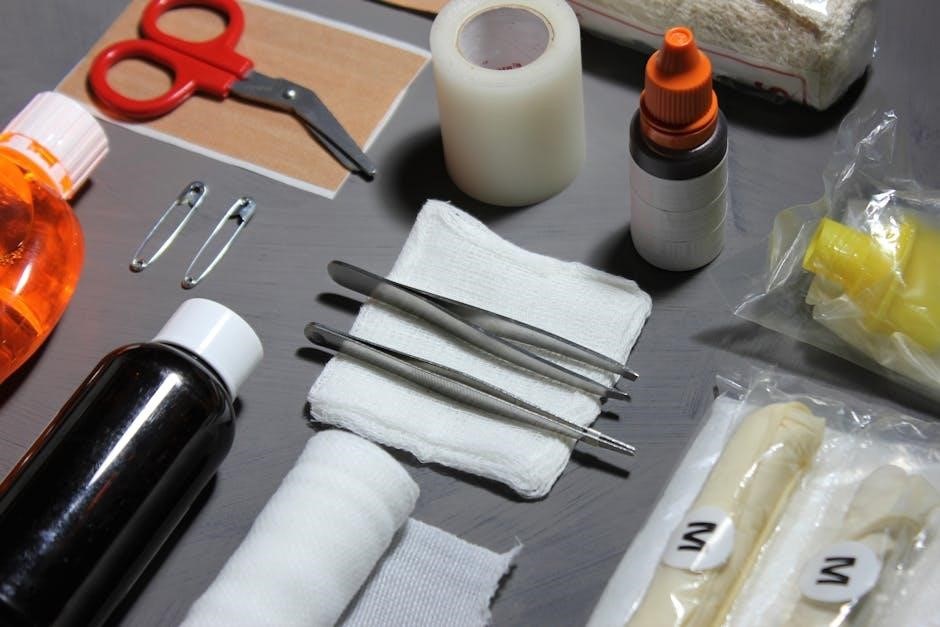
First Aid for USMLE Step 2 CS delivers 41 practice cases, pediatric and telephone simulations, and suggested closing statements, building essential clinical skills effectively.
41 Full-Length Practice Cases: Detailed Breakdown
First Aid for USMLE Step 2 CS prominently features 41 meticulously crafted, full-length practice cases designed to mirror the actual exam experience. These cases aren’t simply scenarios; they are comprehensive simulations, encompassing a wide spectrum of medical complaints and patient presentations.
Each case is structured to challenge your clinical reasoning, diagnostic skills, and communication abilities. The inclusion of all-new pediatric and telephone interview simulations further expands the scope of preparation, addressing critical components of the Step 2 CS exam.
Importantly, the guide doesn’t leave you to navigate these cases alone. Accompanying each case are suggested closing statements, providing valuable insights into effective communication and summarizing key findings for standardized patients. This detailed breakdown ensures thorough preparation and maximizes your potential for success.
Pediatric and Telephone Interview Simulations
First Aid for USMLE Step 2 CS recognizes the unique challenges presented by pediatric and telephone encounters, dedicating specific practice to these crucial formats. Pediatric cases demand a tailored approach, considering age-appropriate communication and physical examination techniques. The simulations within this guide provide focused practice in these areas, building confidence and competence.
Telephone interviews, a distinct component of the exam, require skillful history-taking without the benefit of visual cues. These simulations hone your ability to elicit pertinent information, establish rapport, and formulate a differential diagnosis solely through verbal communication.
By integrating these specialized simulations, First Aid ensures you are fully prepared for the diverse range of clinical encounters you’ll face on exam day, maximizing your performance across all case types.
Suggested Closing Statements for Each Case
First Aid for USMLE Step 2 CS understands that a strong closing statement is vital for demonstrating thoroughness and patient-centered care. Each of the 41 full-length practice cases includes suggested closing statements, serving as models for effectively summarizing your assessment and plan.
These statements aren’t meant to be memorized verbatim, but rather to illustrate key components: confirming the diagnosis (or next steps if uncertain), outlining the treatment plan, and addressing patient concerns. They demonstrate a clear communication style and a commitment to patient well-being.
Utilizing these examples will help you refine your own closing statements, ensuring you consistently convey professionalism and competence during your clinical encounters, ultimately boosting your score.
Developing Differential Diagnoses
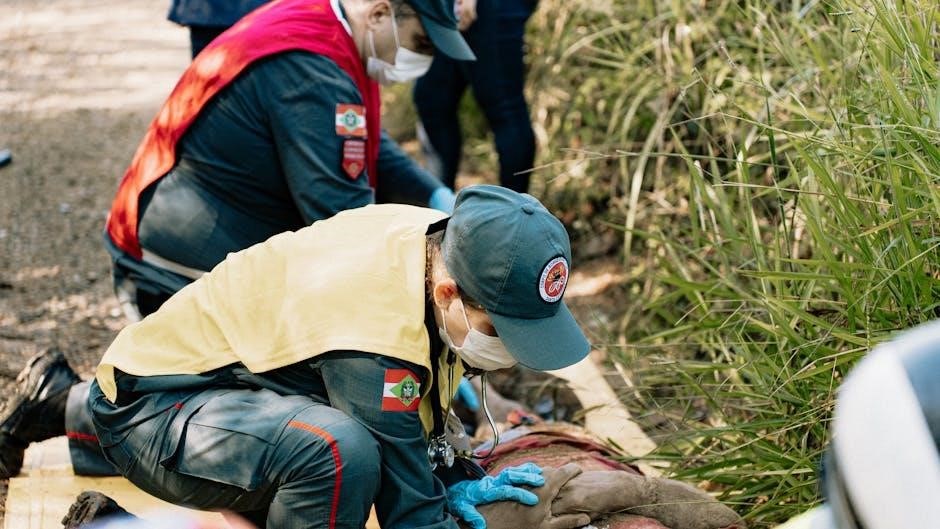
First Aid for USMLE Step 2 CS features a revised minicase collection, designed to rapidly build your skillset in creating accurate and comprehensive differential diagnoses.
Revised and Expanded Minicase Collection
First Aid for USMLE Step 2 CS boasts a significantly updated and expanded collection of minicases, meticulously crafted to mirror the common patient complaints encountered during the actual exam. These concise clinical presentations are specifically designed to accelerate your ability to formulate robust differential diagnoses quickly and efficiently.
Unlike lengthy practice cases, these minicases allow for focused practice on the critical skill of identifying key presenting symptoms and translating them into a prioritized list of potential diagnoses. This targeted approach ensures you’re well-prepared to tackle a wide range of clinical scenarios, maximizing your performance on the Step 2 CS examination. The resource emphasizes practical application, bridging the gap between theoretical knowledge and real-world clinical reasoning.
Rapidly Building a Differential Diagnosis Skillset
First Aid for USMLE Step 2 CS prioritizes the development of a rapid and accurate differential diagnosis skillset, a cornerstone of success on the exam. The resource’s structure, particularly the revised minicase collection, is intentionally designed to facilitate this crucial ability. By repeatedly encountering common clinical presentations in a condensed format, you’ll train your brain to quickly identify key features and generate a prioritized list of possible diagnoses.
This isn’t simply about memorization; it’s about learning to think like a physician. The guide encourages a systematic approach, emphasizing the importance of considering both common and less frequent, yet potentially serious, conditions. Mastering this skill will not only improve your Step 2 CS score but also lay a strong foundation for your future clinical practice.
Exam Strategies and Techniques
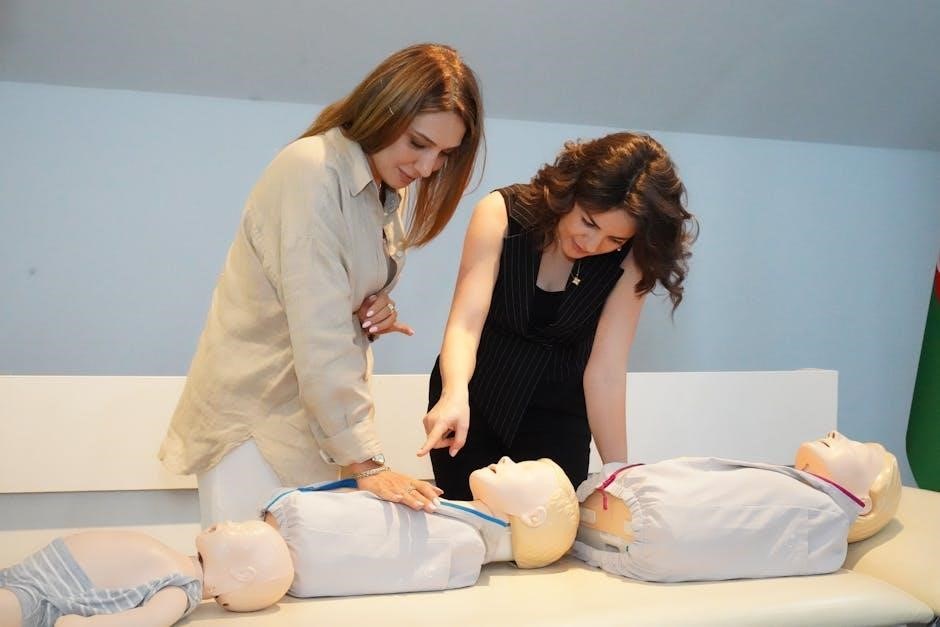
First Aid for USMLE Step 2 CS delivers step-by-step strategies for interacting with standardized patients, including handling difficult encounters, and maximizing time during clinical sessions.
Time Management Advice for Clinical Encounters

First Aid for USMLE Step 2 CS emphasizes efficient time allocation during each clinical encounter. The guide provides practical advice on rapidly gathering essential information from patients, focusing on key presenting complaints and relevant history.
It stresses the importance of prioritizing questions to quickly formulate a differential diagnosis. Furthermore, the resource highlights techniques for performing focused physical exams, avoiding unnecessary steps that consume valuable time.
Effective communication strategies are also detailed, enabling candidates to efficiently elicit information and build rapport with standardized patients. Mastering these time management skills is crucial for successfully navigating the exam’s demanding format and maximizing points earned.
Strategies for Interacting with Standardized Patients
First Aid for USMLE Step 2 CS offers detailed strategies for effective interaction with standardized patients, a critical component of exam success. The guide emphasizes establishing rapport through empathetic communication and active listening skills;
It provides guidance on appropriately addressing patients, maintaining professional boundaries, and responding to emotional cues. Crucially, the resource details techniques for handling challenging patient scenarios, including those exhibiting anxiety, anger, or resistance.
Candidates learn to adapt their communication style to individual patient needs, ensuring clear understanding and accurate information gathering. Mastering these interpersonal skills is vital for demonstrating clinical competence and achieving a favorable evaluation.
Handling Difficult Patients Effectively
First Aid for USMLE Step 2 CS dedicates significant attention to navigating challenging patient encounters, recognizing this as a frequent exam hurdle. The resource outlines strategies for de-escalating tense situations, managing patient anger, and addressing concerns with empathy and professionalism.
It emphasizes the importance of remaining calm, validating patient feelings, and actively listening to their complaints, even when faced with hostility. The guide provides specific phrases and approaches for redirecting conversations and refocusing on the clinical task at hand.
Furthermore, it stresses the need to maintain boundaries while demonstrating respect, ensuring a productive and safe interaction, ultimately maximizing performance on the exam.

Physical Exam Skills
First Aid for USMLE Step 2 CS details high-yield maneuvers, maximizing points efficiently. It provides descriptions of techniques that demonstrate clinical competence and save valuable time.
High-Yield Physical Exam Maneuvers
First Aid for USMLE Step 2 CS emphasizes mastering efficient physical exam techniques crucial for maximizing points during clinical encounters. The guide details maneuvers that quickly and accurately assess key findings, demonstrating clinical proficiency to standardized patients.
Focus is placed on techniques that provide significant diagnostic information without consuming excessive time, a critical factor in the exam’s timed format. This includes focused assessments tailored to specific complaints, allowing candidates to prioritize relevant findings.
The resource highlights maneuvers that are frequently tested and highly valued by examiners, ensuring candidates are well-prepared to perform effectively under pressure. Practicing these high-yield techniques builds confidence and optimizes performance on the Step 2 CS exam.
Maximizing Points with Efficient Techniques
First Aid for USMLE Step 2 CS stresses the importance of efficient clinical encounters to achieve a high score. The guide provides strategies for streamlining the exam process, focusing on key elements that demonstrate clinical reasoning and patient care skills.
Candidates learn to prioritize information gathering, perform targeted physical exams, and formulate concise, accurate diagnoses. Time management is a central theme, with advice on allocating appropriate time to each stage of the encounter.
The resource emphasizes techniques for building rapport with standardized patients, effectively communicating findings, and presenting a clear, logical diagnostic plan, all contributing to a higher overall score on the exam.

Connecting Step 2 CS to Step 2 CK
First Aid highlights applying medical knowledge from Step 2 CK to clinical scenarios in Step 2 CS, reinforcing understanding and improving performance across both examinations.
Applying Medical Knowledge to Clinical Scenarios
First Aid for USMLE Step 2 CS emphasizes the crucial link between foundational medical knowledge, assessed in Step 2 CK, and its practical application during clinical encounters simulated in Step 2 CS.
The resource doesn’t just present facts; it actively trains you to translate that knowledge into effective patient care. The 41 full-length practice cases, alongside the expanded minicase collection, force you to rapidly recall and utilize relevant medical principles.
This isn’t about memorization, but about diagnostic reasoning. You’ll learn to build differential diagnoses quickly, justify your lines of questioning, and select appropriate physical exam maneuvers – all skills directly tested on both exams.
By mastering this translation process, you’ll not only excel on Step 2 CS but also solidify your understanding for Step 2 CK and future clinical practice.
The Relationship Between Step 2 CK and Step 2 CS Preparation
First Aid for USMLE Step 2 CS acknowledges the synergistic relationship between preparation for Step 2 Clinical Knowledge (CK) and Step 2 Clinical Skills (CS). While CK assesses medical knowledge, CS evaluates the application of that knowledge in realistic patient interactions.
Effective preparation for one exam significantly benefits the other. A strong foundation in medical science, honed during CK study, is essential for accurate diagnosis and treatment planning during CS encounters.
Conversely, the clinical reasoning skills developed through CS practice reinforce and solidify your understanding of underlying medical principles.
This resource bridges this gap, offering practice cases that demand both knowledge recall and clinical judgment, maximizing your preparation efficiency for both crucial USMLE Step 2 exams.
Troubleshooting Access Issues (Digital Versions)
First Aid for USMLE Step 2 CS digital access requires network checks, potential proxy setting adjustments, and contacting your network administrator for connectivity resolutions.
Network Connectivity Checks

Ensuring stable network access is crucial when utilizing the digital version of First Aid for USMLE Step 2 CS. Begin by meticulously checking all cables connected to your modem and router, followed by a complete reboot of these network devices. This simple step often resolves temporary connectivity glitches.
Verify that your computer or device is properly connected to the network and can access other websites without issue. If problems persist, confirm that First Aid is permitted network access through your firewall or security software. Sometimes, re-adding the program to the allowed list can rectify access restrictions.
Should these initial steps fail, a thorough investigation of your network configuration is necessary, potentially requiring assistance from your network administrator to diagnose and resolve more complex issues.
Proxy Settings and Network Administrator Contact
Accessing First Aid for USMLE Step 2 CS digitally may require specific proxy settings, particularly within institutional or corporate networks. Verify if your internet connection utilizes a proxy server, and if so, ensure the settings within your browser or system configuration are accurate and up-to-date. Incorrect proxy configurations can prevent access to the resource.
If you are unsure about your proxy settings or encounter persistent connectivity issues despite verifying your network connection, contacting your network administrator is essential. They possess the expertise to diagnose complex network problems and provide tailored solutions specific to your environment.
Provide them with details about the issue and the specific resource you are attempting to access – First Aid for USMLE Step 2 CS – to facilitate a swift resolution.